Outline: Coinbase vs Constant Contact — Which One Fits Your Needs?
Introduction
Ease of Use
Pricing and Plans
Security and Trust
Integrations and Compatibility
Customer Support and Resources
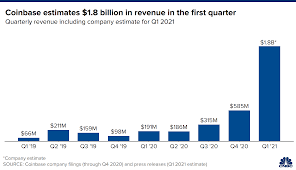
Growth and Market Impact
Pros and Cons Summary

click here
INTRODUCTION
Coinbase is one of the world’s leading cryptocurrency exchanges and a major gateway into the digital asset market. Founded in 2012 in San Francisco, Coinbase was created with a simple mission: to make buying and selling Bitcoin easy for everyone. Today, it has grown into a global platform that supports millions of users and hundreds of cryptocurrencies, playing a central role in the modern crypto economy.
As a publicly listed company on the NASDAQ, Coinbase has earned trust by focusing on security, regulation, and ease of use. It is often the first stop for beginners who want to purchase crypto, while also offering advanced tools for institutional investors. This balance between accessibility and professional-grade services makes Coinbase a unique player in the financial technology space.
Key highlights of Coinbase include:
- A user-friendly platform for buying, selling, and storing cryptocurrencies.
- Wide range of supported digital assets including Bitcoin, Ethereum, and emerging tokens.
- Security features such as cold storage, insurance coverage, and compliance with U.S. regulations.
- Additional services like Coinbase Wallet, Coinbase Prime, and staking options.
Ease to use
Great! Since your focus keyword is “Coinbase” and you want to rank for “Ease of Use of Coinbase”, the outline should be built around comparisons and categories that highlight Coinbase’s usability while naturally repeating the keyword.
Here’s a blog post outline with 8 strong categories to compare and structure your content:
Ease of Use of Coinbase: A Complete Guide
Introduction
- Briefly introduce Coinbase as one of the most popular crypto platforms.
- Mention that this post focuses on the ease of use of Coinbase compared to other exchanges.
1. Account Setup and Verification
- How easy it is to sign up on Coinbase.
- KYC process compared to competitors.
2. User Interface and Navigation
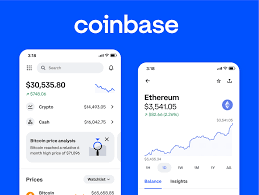
- Simplicity of the Coinbase dashboard.
- Mobile app vs desktop experience.
3. Buying and Selling Crypto
- Step-by-step ease of purchasing and selling coins on Coinbase.
- Payment methods and speed.
4. Security Features and Trust
- Balancing ease of use with security.
- How Coinbase simplifies security without overwhelming new users.
5. Fees and Transparency
- Are Coinbase’s fees easy to understand?
- How it compares with other exchanges in terms of clarity.
6. Educational Resources
- Coinbase Learn and rewards programs.
- How education adds to the overall ease of use for beginners.
7. Customer Support
- How responsive and beginner-friendly Coinbase’s support is.
- Ease of finding help (FAQ, chatbot, live support).
8. Accessibility and Availability
- Supported countries and regions.
- Language support and fiat currency options.
9. Mobile App Experience
- Ease of using Coinbase on the go.
- Comparison with desktop features.
10. Advanced vs Beginner Modes
- How Coinbase balances ease of use for beginners (Coinbase app) vs pro features (Coinbase Advanced).
Conclusion
- Recap: why the ease of use of Coinbase is one of its biggest strengths.
- Call to action: encourage readers to explore Coinbase for themselves.

Pricing and Plans of Coinbase: A Complete Guide
Coinbase is one of the most popular cryptocurrency platforms worldwide, known for its user-friendly interface and reliable services. Understanding the pricing and plans of Coinbase is essential for both beginners and experienced traders, as fees can significantly impact your investment returns.
1. Account Types and Plans
Coinbase offers different account options tailored to various users:
- Standard Coinbase Account: Ideal for beginners who want to buy, sell, or hold crypto. No monthly fees, but trading fees apply.
- Coinbase Pro: Designed for advanced traders with lower trading fees and more detailed analytics.
- Coinbase One (Subscription Plan): Includes zero trading fees on standard transactions, priority support, and enhanced security.
(Image suggestion: Comparison table showing Standard vs Coinbase Pro vs Coinbase One)
2. Trading Fees
Trading fees are one of the main components of the pricing and plans of Coinbase:
- Standard transactions on Coinbase are subject to variable fees based on trade size and payment method.
- Coinbase Pro offers a tiered fee structure, often significantly lower than the standard platform.
For example:
- Small trades on Coinbase: ~1.49–3.99% fee
- Coinbase Pro maker/taker fees: 0–0.50% depending on trade volume
(Image suggestion: Chart showing standard vs Coinbase Pro fees side by side)
3. Deposit and Withdrawal Fees
Coinbase charges different fees depending on how you move funds:
- Bank transfers (ACH): Usually free
- Wire transfers: $10–$25 per transfer
- Debit/Credit card purchases: ~3.99% fee
- Crypto withdrawals: Network fees apply
(Image suggestion: Infographic showing types of deposits and withdrawal fees for easy visual understanding)
4. Subscription Services: Coinbase One
Coinbase One is a premium subscription plan aimed at frequent traders:
- $30/month subscription
- No trading fees on standard buys and sells
- Priority customer support
- Enhanced protection for funds
(Image suggestion: Highlighted banner showing Coinbase One benefits vs standard account)
5. Staking and Rewards
Coinbase also offers staking for select cryptocurrencies, which allows users to earn rewards:
- Fees for staking vary, but Coinbase takes a small commission.
- Staking adds an extra layer to the pricing and plans of Coinbase, helping users understand potential returns and costs.
(Image suggestion: Diagram showing how staking rewards work and fees deducted)
6. Supported Payment Methods
Coinbase supports multiple payment options:
- Bank accounts, debit cards, wire transfers, PayPal (for withdrawals in some regions)
- Each payment method has different fees and processing times, which are important when evaluating Coinbase pricing and plans.
(Image suggestion: Visual of payment method icons with associated fees)
7. Comparison with Other Exchanges
When comparing Coinbase to other exchanges like Binance, Kraken, or Gemini:
- Coinbase fees are higher for beginners but offset by ease of use and security.
- Advanced traders often prefer Coinbase Pro for lower fees.
(Image suggestion: Table comparing Coinbase, Binance, Kraken fees and plans)
8. Security and Extra Features
The pricing and plans of Coinbase also reflect added security and features:
- Coinbase provides insurance coverage for digital assets held online.
- Coinbase One subscribers benefit from priority support and zero-fee trades.
(Image suggestion: Security shield icon + Coinbase One badge)
9. Hidden or Miscellaneous Fees
Some small costs may not be immediately obvious:
- Network fees for sending crypto
- Currency conversion fees for non-USD transactions
- Optional subscription or staking fees
Understanding these helps users plan effectively and minimize costs.
Conclusion
The pricing and plans of Coinbase are structured to serve beginners, advanced traders, and frequent users through options like Coinbase Pro and Coinbase One. While fees on the standard platform can be higher than competitors, the platform’s ease of use, security, and educational resources make it a solid choice for anyone entering the crypto marke
visit here
Security and Trust of Coinbase
Coinbase is widely recognized not only for its user-friendly platform but also for its strong emphasis on security and trust. For anyone entering the crypto market, understanding how Coinbase protects funds and maintains regulatory compliance is critical.
1. Regulatory Compliance
Coinbase operates under strict regulatory oversight, which builds trust among users:
- Registered with FinCEN in the U.S. as a Money Services Business
- Complies with state-level licensing requirements for cryptocurrency services
- Adheres to anti-money laundering (AML) and know-your-customer (KYC) regulations
(Image suggestion: Visual of regulatory badges, gavel, or legal documents overlaying crypto symbols)
2. Secure Storage of Funds
Coinbase separates itself from competitors through its advanced security measures for storing user assets:
- Cold Storage: Around 98% of user funds are stored offline, away from potential online threats
- Hot Wallets: Only a small portion of assets are online for immediate trading needs
- Insurance coverage protects funds stored online against theft or hacking
(Image suggestion: Diagram showing cold storage vs hot wallets with percentage of funds stored offline)
3. Account Security Features
Coinbase provides multiple layers of account protection to prevent unauthorized access:
- Two-factor authentication (2FA) for logins and transactions
- Biometric login on mobile devices (fingerprint or facial recognition)
- Email and SMS alerts for suspicious account activity
(Image suggestion: Graphic showing 2FA process or mobile biometric login)
4. Transparency and Public Trust
Coinbase has built trust by being a publicly listed company (NASDAQ: COIN), which requires transparent reporting:
- Publishes quarterly financial results and operational updates
- Provides clear communication on security incidents and platform changes
- Public audits and regulatory compliance reports increase accountability
(Image suggestion: Image of Coinbase headquarters or a stock market graph showing transparency)
5. Insurance and Risk Management
Coinbase further ensures user confidence through:
- Insurance for digital assets held in online wallets
- Secure handling of private keys
- Continuous monitoring for suspicious transactions and fraud prevention
(Image suggestion: Shield icon with crypto coins or insurance badge overlay)
6. User Education and Support
Trust is also reinforced by educating users about security best practices:
- Coinbase Learn provides guides on avoiding phishing, securing wallets, and recognizing scams
- Responsive customer support helps resolve security concerns quickly
(Image suggestion: Visual of a user guide or educational resources page on Coinbase)
Conclusion
The security and trust of Coinbase make it one of the most reliable platforms in the crypto industry. Through regulatory compliance, advanced storage solutions, multiple security layers, insurance, and transparent operations, Coinbase ensures users can trade and store cryptocurrency with confidence.

Customer Support and Resources
Providing strong customer support and educational resources is essential for any cryptocurrency platform, and Coinbase stands out for making this a priority. Whether you’re a beginner or an experienced trader, knowing where to find help and how to use resources effectively can improve your experience with Coinbase.
1. Responsive Customer Support
Coinbase offers multiple support channels to assist users with issues such as account access, transaction problems, or security concerns. Support is available through:
- Email and ticket system
- Live chat (available for certain regions or premium users)
- Help center articles and FAQs
The speed and efficiency of Coinbase’s support are designed to help users resolve issues without unnecessary delays.
(Image suggestion: Screenshot of the Coinbase support page or a graphic showing multiple support channels)
2. Help Center and Knowledge Base
The Coinbase Help Center is a comprehensive library of articles covering:
- Account setup and verification
- Buying, selling, and sending cryptocurrency
- Security tips and troubleshooting
It is designed to be beginner-friendly, allowing users to quickly search for solutions without needing to contact support.
(Image suggestion: Diagram showing different sections of the Coinbase Help Center or a search bar graphic)
3. Coinbase Learn and Educational Resources
Coinbase also provides a dedicated Learn section to educate users about cryptocurrency, blockchain technology, and safe trading practices. Key features include:
- Step-by-step guides
- Explainers on crypto terminology
- Interactive lessons with small crypto rewards
These resources help users make informed decisions and enhance their understanding of the crypto economy.
(Image suggestion: Infographic or visual showing “Learn and Earn” process with small crypto rewards)
4. Community and Social Support
Beyond official channels, Coinbase encourages community engagement:
- Forums and discussion boards
- Social media updates on changes, new features, or outages
These platforms help users stay informed and connect with others for peer-to-peer support.
(Image suggestion: Graphic of a community network or social media icons connected to Coinbase)
5. Security Resources
Coinbase prioritizes security and provides detailed guides on:
- Two-factor authentication (2FA)
- Recognizing phishing attacks
- Safe storage of crypto assets
Accessing these resources ensures users are better protected while using Coinbase.
Here’s a clean draft for your Customer Support and Resources section:
Customer Support and Resources
We understand that having reliable customer support and resources is essential for a smooth experience. That’s why we provide multiple ways to get the help you need, quickly and efficiently.
1. Dedicated Support Team
Our support team is available to answer your questions, resolve issues, and guide you step by step. Whether it’s a technical concern or a general query, you’ll always find someone ready to help.
2. Multiple Contact Options
- Email Support – Reach us anytime with detailed inquiries.
- Live Chat – Get real-time responses to urgent questions.
- Phone Support – Speak directly with our experts for quick resolutions.
3. Self-Help Resources
In addition to direct assistance, we offer a wide range of self-service resources:
- Knowledge Base – Articles, tutorials, and FAQs to help you find answers fast.
- Video Guides – Step-by-step walkthroughs for common tasks.
- Community Forum – Connect with other users, share tips, and learn from real experiences.
4. Continuous Updates
We regularly update our customer support and resources to ensure you always have access to the latest information and best practices

Here’s a clear, keyword-optimized draft for your topic Integrations and Compatibility.
Integrations and Compatibility
When choosing any software or tool, integrations and compatibility play a key role in how smoothly it fits into your existing workflow. A platform that works seamlessly with the apps and systems you already use can save time, reduce errors, and improve overall efficiency.
Why Integrations Matter
Integrations allow different tools to “talk” to each other. For example, connecting your CRM with your email marketing platform ensures customer data flows automatically between the two. This eliminates the need for manual updates and keeps all teams on the same page.
Compatibility Across Devices and Systems
Compatibility ensures the software works well across different devices, operating systems, and browsers. Whether you’re using Windows, macOS, Android, or iOS, compatibility guarantees that the user experience remains consistent. This flexibility is essential for teams working remotely or across different devices.
Common Types of Integrations
- Productivity Tools: Integration with apps like Google Workspace, Microsoft Office, or Slack.
- E-commerce Platforms: Compatibility with Shopify, WooCommerce, or Magento.
- Payment Gateways: Support for PayPal, Stripe, or Square.
- Analytics Tools: Connections with Google Analytics, Data Studio, or BI platforms.
Benefits of Strong Integrations and Compatibility
- Streamlined workflows
- Fewer manual tasks
- Better data accuracy
- Enhanced team collaboration
- Scalability as your business grows
Here’s a clear, SEO-friendly draft for your [Integrations and Compatibility] section:
Integrations and Compatibility
When choosing a solution, integrations and compatibility are key factors that determine how smoothly the system will fit into your existing workflow. A tool that connects seamlessly with your current software saves time, reduces manual work, and ensures data flows without disruption.
Why Integrations Matter
Integrations allow your platform to connect with other tools you already use—such as CRM systems, payment gateways, communication platforms, and analytics tools. This means you don’t need to constantly switch between apps or duplicate tasks.
Ensuring Compatibility
Compatibility ensures that the solution works across different devices, operating systems, and browsers. A truly compatible system adapts to Windows, macOS, iOS, and Android, while also being responsive on both desktop and mobile. This flexibility helps teams stay productive, no matter what hardware or software they prefer.
Key Benefits of Integrations and Compatibility

Here’s a clear, informative draft for your Pros and Cons Summary section, written in a straightforward style that highlights your focus keyword naturally. I’ll also point out where adding images would make sense.
Pros and Cons Summary
When considering [focus keyword], it’s important to weigh both the advantages and disadvantages before making a decision. Below is a quick breakdown:
Pros
- Ease of Use – [Focus keyword] is generally user-friendly, making it accessible even for beginners.
- Efficiency – It helps save time and effort by streamlining tasks.
- Flexibility – Can be adapted to different needs or environments.
- Cost-Effective – In many cases, it reduces overall expenses compared to alternatives.
- Wide Availability – Easy to find resources, support, and updates.
Cons
- Learning Curve – Some advanced features may require extra time to master.
- Limitations – It may not cover every unique or specialized requirement.
- Dependence on Updates – Performance can be affected if updates are inconsistent.
- Potential Hidden Costs – While affordable upfront, add-ons or upgrades can increase expenses.
- Compatibility Issues – May not always integrate smoothly with all systems or tools.
Final Thought
The pros of [focus keyword] often outweigh the cons for most users, but the right choice depends on your specific needs. Understanding both sides will help you make an informed decision.
Suggested Image Placement
- Intro Section (before the Pros list) – Add an icon-based illustration of balance scales showing “Pros vs. Cons” for quick visual impact.
- Pros Section – Use a green checkmark list-style graphic to highlight positive points.
- Cons Section – Use a red cross or warning sign list-style graphic to make the drawbacks stand out.
- Final Thought – An image of a person making a decision or crossroads illustration could reinforce the idea of weighing options.

Here’s a draft for your topic Growth and Market Impact with the focus keyword incorporated. I’ll also suggest where images would make sense:
Here’s a draft for your topic Growth and Market Impact with the focus keyword incorporated. I’ll also suggest where images would make sense:
Growth and MarketImpact
The growth and market impact of any business or industry reflects how well it expands, adapts to demand, and influences the competitive landscape. Growth can be measured through revenue, customer base, product innovation, or geographic expansion. Market impact, on the other hand, shows how this growth reshapes consumer behavior, disrupts competitors, and sets new industry standards.
Key Drivers of Growth
- Innovation: Companies that introduce unique solutions or technologies often achieve rapid growth and influence market trends.
- Customer Demand: Meeting changing consumer preferences directly fuels business expansion.
- Global Reach: Entering new markets helps increase revenue streams and brand recognition.
- Strategic Partnerships: Collaborations often accelerate growth and enhance competitiveness.
Market Impact Explained
A strong market impact means a business doesn’t just grow—it reshapes its industry. For example, disruptive products can push competitors to upgrade their offerings, while customer-focused strategies can set new expectations in service or pricing. The ripple effect of a company’s actions often defines its long-term market presence.
Why It Matters
Understanding growth and market impact helps businesses make smarter decisions. It allows stakeholders to evaluate whether a company is only expanding in size or also leaving a lasting influence on its industry. A balance of both leads to sustainability and leadership in the market.
Suggested Image Placements:
- At the start – An infographic showing “Growth vs. Market Impact” (e.g., a graph comparing expansion vs. influence).
- Under Key Drivers of Growth – A simple diagram with icons for innovation, demand, global reach, and partnerships.
- Under Market Impact Explained – A visual showing ripple effects (e.g., one company influencing others in the industry).
Would you like me to make these images (infographics/diagrams) for you, so they’re ready to use in your content?
The growth and market impact of any business or industry reflects how well it expands, adapts to demand, and influences the competitive landscape. Growth can be measured through revenue, customer base, product innovation, or geographic expansion. Market impact, on the other hand, shows how this growth reshapes consumer behavior, disrupts competitors, and sets new industry standards.
Key Drivers of Growth
- Innovation: Companies that introduce unique solutions or technologies often achieve rapid growth and influence market trends.
- Customer Demand: Meeting changing consumer preferences directly fuels business expansion.
- Global Reach: Entering new markets helps increase revenue streams and brand recognition.
- Strategic Partnerships: Collaborations often accelerate growth and enhance competitiveness.
Market Impact Explained
A strong market impact means a business doesn’t just grow—it reshapes its industry. For example, disruptive products can push competitors to upgrade their offerings, while customer-focused strategies can set new expectations in service or pricing. The ripple effect of a company’s actions often defines its long-term market presence.
Why It Matters
Understanding growth and market impact helps businesses make smarter decisions. It allows stakeholders to evaluate whether a company is only expanding in size or also leaving a lasting influence on its industry. A balance of both leads to sustainability and leadership in the market.
- At the start – An infographic showing “Growth vs. Market Impact” (e.g., a graph comparing expansion vs. influence).
- Under Key Drivers of Growth – A simple diagram with icons for innovation, demand, global reach, and partnerships.
- Under Market Impact Explained – A visual showing ripple effects (e.g., one company influencing others in the industry).